Get Flat Roof Installation
Local contractors offer flat roof installation services to address leaks, drainage issues, and structural needs on commercial and residential buildings.
If you're considering a flat roof installation, you're in the right place to explore your options. Property owners in the area often look into flat roofs for their practicality and versatility, whether for commercial buildings, extensions, or new construction projects. Comparing local contractors can help ensure the project is handled efficiently and to your specifications, giving you confidence in the choices available.
Continuing with your planning process, understanding the services offered by nearby professionals can make a significant difference. Local contractors specializing in flat roof installation are equipped to assist with a variety of property types and needs. Keep reading to discover how connecting with experienced service providers can support your project and help you make informed decisions.
- Flat Roof Replacement - needed when existing roofing materials have reached the end of their lifespan or are severely damaged.
- Leak Repairs for Flat Roofs - required after noticing water intrusion or persistent dampness inside a building.
- Flat Roof Inspection and Assessment - useful for evaluating roof condition before purchasing or during regular maintenance checks.
- Flat Roof Waterproofing - essential when seeking to improve weather resistance and prevent leaks in vulnerable areas.
- Flat Roof Maintenance Services - advised for prolonging roof lifespan and addressing minor issues before they escalate.
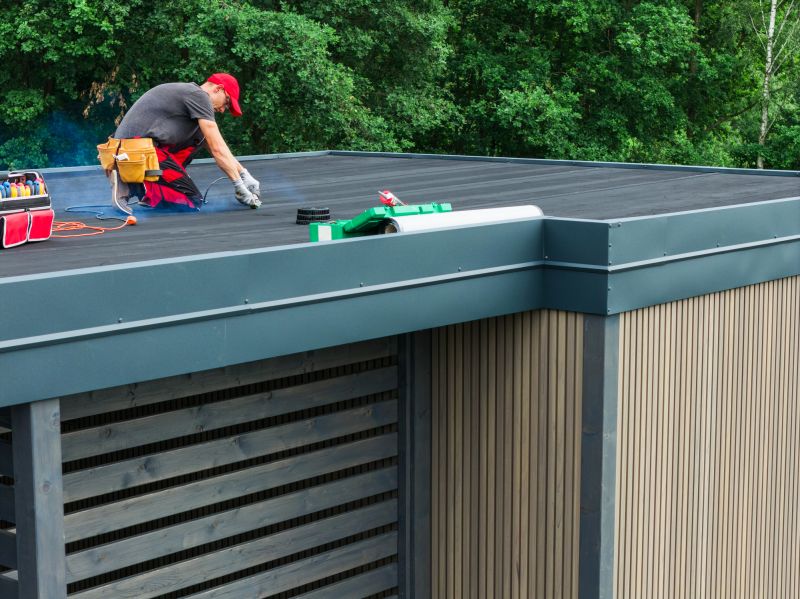
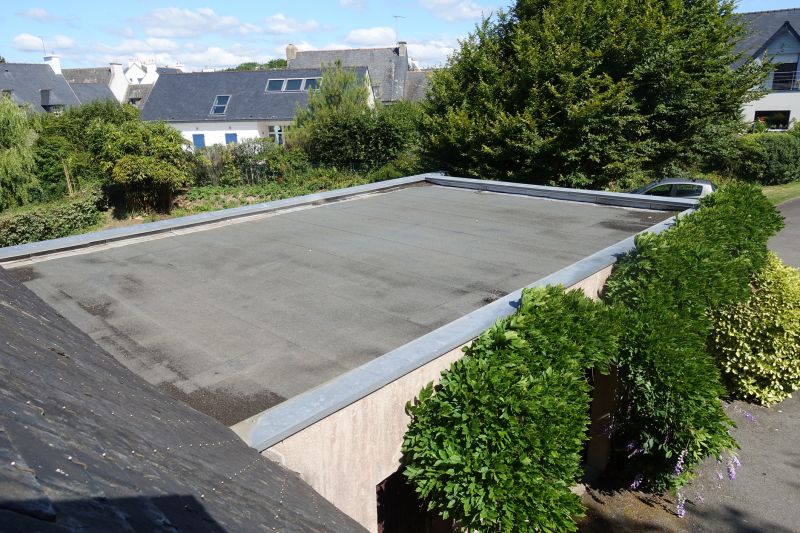
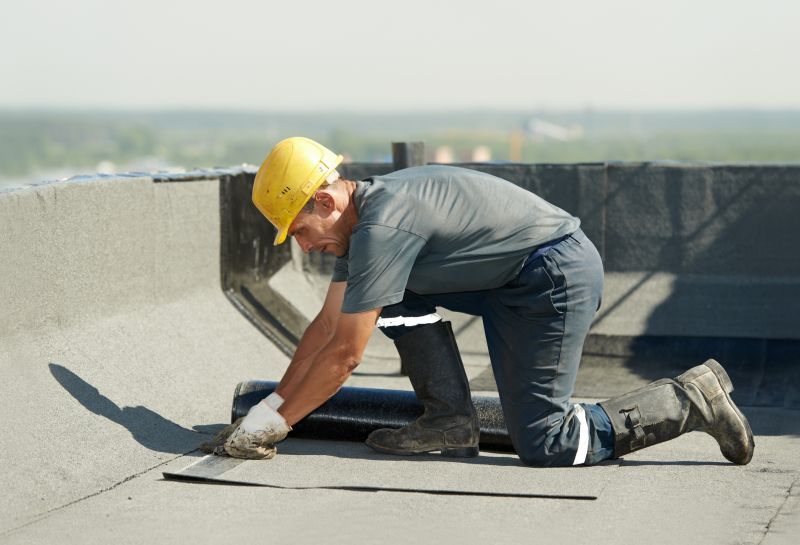
Flat roof installation services involve the construction or replacement of a roof with a flat or low-slope design. This type of roofing is common on commercial buildings, apartment complexes, and some residential properties. The process typically includes preparing the roof surface, installing a durable membrane or roofing material, and ensuring proper drainage to prevent water pooling. Experienced contractors focus on creating a weather-tight seal that can withstand various conditions, helping to protect the interior of the property from leaks and water damage.
One of the primary reasons property owners seek flat roof installation is to address existing issues such as leaks, water pooling, or deteriorating roofing materials. Flat roofs are particularly prone to water accumulation if not properly installed or maintained, which can lead to structural damage over time. Professional installation helps solve these problems by ensuring the roof has the correct slope and drainage systems in place. Additionally, a new flat roof can improve energy efficiency and provide a stable surface for rooftop equipment or future modifications.
Flat roofs are often used on commercial buildings, multi-family residences, and some modern homes with a contemporary architectural style. These properties benefit from the spacious, accessible roof area that flat roofing provides. Homeowners with properties that have limited space for traditional pitched roofs may also consider flat roofing options. Whether for a new construction project or replacing an aging roof, local contractors can assess the property’s needs and recommend suitable flat roofing solutions that match the property type and usage.
Choosing to install a flat roof can be a practical solution for properties needing a cost-effective, accessible, and versatile roofing option. It is especially useful for buildings with flat or low-slope designs, where traditional pitched roofs are less feasible. Local service providers can help determine if a flat roof is appropriate based on the property’s structure and goals. They handle the entire installation process, ensuring the roof is built to last and functions effectively in protecting the building’s interior and assets.
The overview below groups typical Flat Roof Installation projects into broad ranges so you can see how smaller, mid-sized, and larger jobs often compare in your area.
In many markets, a large share of routine jobs stays in the lower and middle ranges, while only a smaller percentage of projects moves into the highest bands when the work is more complex or site conditions are harder than average.
Smaller Repairs - Typical costs for minor flat roof repairs range from $250 to $600, covering issues like small leaks or membrane patches. Many routine jobs fall within this middle range, depending on the extent of damage and materials used.
Partial Repairs - When replacing sections of a flat roof, costs usually range from $1,000 to $3,000. Larger, more complex partial repairs are less common but can push into higher price brackets depending on size and accessibility.
Full Roof Replacement - Complete flat roof replacements generally cost between $5,000 and $15,000, with larger or more intricate projects sometimes exceeding this range. Most full replacements fall into the middle to upper end, based on roof size and material choices.
Complex or Large-Scale Projects - Extensive or custom flat roof installations can reach $20,000 or more, especially for commercial or multi-story buildings. Such projects are less frequent and tend to involve higher costs due to scope and specialized requirements.
Actual totals will depend on details like access to the work area, the scope of the project, and the materials selected, so use these as general starting points rather than exact figures.
Commercial Roofing Projects - local contractors skilled in flat roof installation often handle large-scale commercial roofing jobs requiring similar planning and waterproofing techniques.
Deck and Patio Cover Installations - these projects involve working with flat surfaces and waterproof membranes, utilizing tools and skills comparable to flat roof setup.
Industrial Roofing Services - industrial buildings with flat or low-slope roofs require expertise in durable membrane installation, similar to residential flat roof projects.
Green Roof System Installations - installing living roofs involves waterproofing and membrane work akin to flat roof construction and maintenance.
Shed and Garage Roof Construction - building flat or low-slope roofs for sheds and garages shares foundational skills with larger flat roof projects.
Roof Repair and Leak Prevention - identifying and fixing leaks on flat roofs involves similar assessment, waterproofing, and sealing techniques used in new flat roof installations.
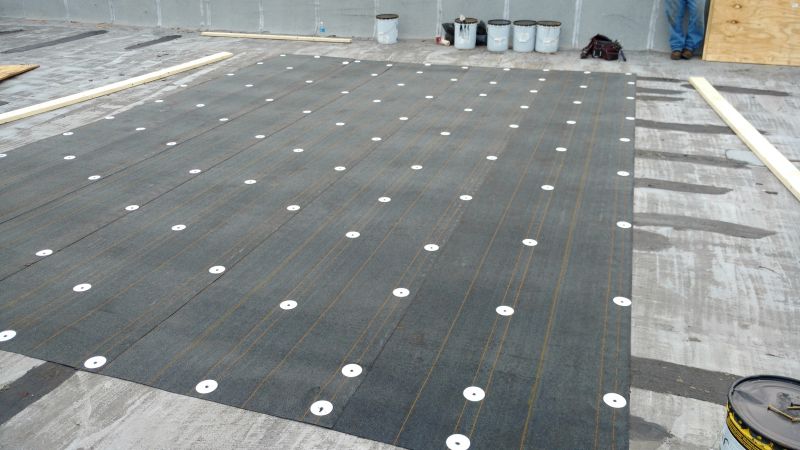
When comparing service providers for flat roof installation, it’s important to consider their experience with similar projects. Homeowners should look for local contractors who have a proven track record of successfully completing flat roof installations comparable in size and complexity. An experienced professional will be familiar with the specific challenges that flat roofs can present and will be better equipped to deliver a quality result. Asking about past projects or seeking references can help gauge their familiarity with the type of work needed and provide insight into their capabilities.
Clear, written expectations are essential to ensure everyone is on the same page before work begins. Homeowners should seek out local pros who provide detailed proposals outlining the scope of work, materials to be used, and any relevant warranties or guarantees. Having this information in writing helps prevent misunderstandings and sets a foundation for a smooth project. It’s also advisable to clarify what the process will involve, including timelines and responsibilities, so expectations are transparent from the outset.
Good communication and reputable references are key indicators of a reliable service provider. Homeowners should look for local contractors who are responsive and willing to answer questions thoroughly, demonstrating professionalism and a commitment to client satisfaction. Checking references or reviews from previous clients can provide valuable insights into the contractor’s reliability, quality of work, and how they handle any issues that arise. While the site introduces homeowners to local options, it’s important to remember that these service providers handle the installation work directly, and choosing one with strong communication and a solid reputation can contribute to a successful project outcome.
Property owners use Flat Roof Installation services for practical projects around their homes and businesses. This guide focuses on everyday jobs and straightforward project options.
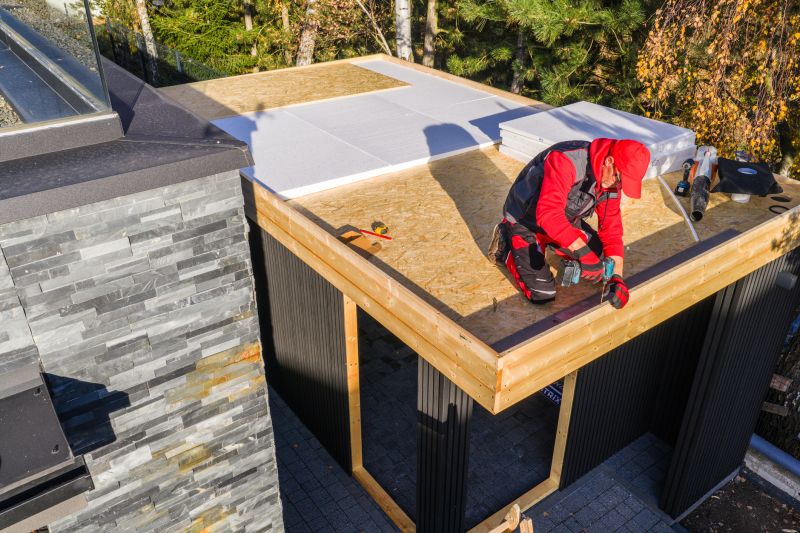
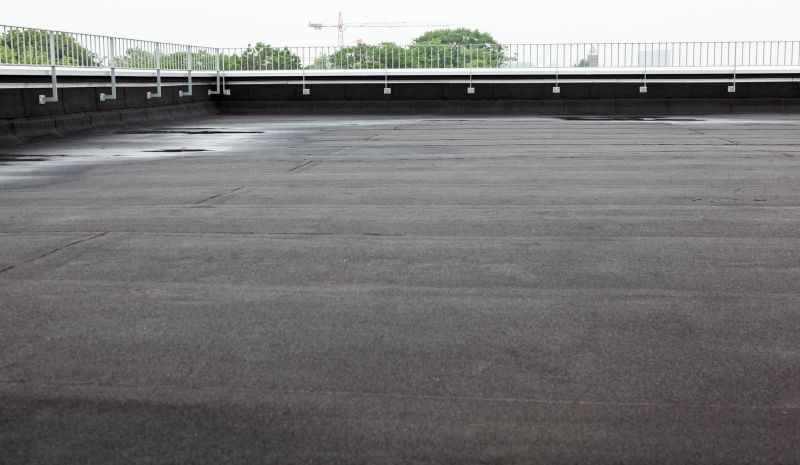
Flat roof installation is often needed when property owners notice signs of damage, leaks, or pooling water on their existing flat roofs. These issues can develop over time due to weather exposure or aging materials, prompting owners to seek professional services to replace or upgrade their roofs. Additionally, new commercial or residential construction projects may require flat roofing solutions, making it essential to connect with experienced local contractors who can handle the installation efficiently and effectively.
Property owners might also look for flat roof installation services when planning renovations or improvements to their buildings. Upgrading an old or worn-out flat roof can help prevent future leaks and structural problems, ensuring the property remains functional and protected. Local service providers can assess the specific needs of each project, offering expert guidance and quality workmanship to support property owners in maintaining their buildings' integrity.
What are the benefits of installing a flat roof? Flat roof installations can provide additional usable space, simplify maintenance, and often offer a cost-effective roofing solution for certain building types.
How do I know if a flat roof is suitable for my property? Local contractors can assess your building’s structure, climate, and specific needs to determine if a flat roof is a practical choice.
What materials are commonly used for flat roof installations? Common materials include built-up roofing (BUR), modified bitumen, EPDM rubber, and PVC membranes, depending on the project's requirements.
What maintenance is typically required for a flat roof? Regular inspections, cleaning of drains, and prompt repairs of any damage can help extend the lifespan of a flat roof.
How do local service providers handle flat roof installation projects? Experienced contractors follow established procedures to ensure proper installation, quality workmanship, and adherence to safety standards.
Assessing Roof Damage - Property owners can have local contractors evaluate their flat roofs after storms or heavy weather to identify issues that need repair.
Installing New Flat Roofs - Those building a new extension or converting a space can explore options with local pros for professional flat roof installation.
Upgrading Roofing Materials - Homeowners interested in improving insulation or durability can consult local service providers about replacing or upgrading their existing flat roofs.
Routine Roof Inspections - Regular inspections by local contractors help maintain the integrity of flat roofs and prevent costly repairs through early detection of problems.
If you are thinking about Flat Roof Installation for a property, this guide is meant to help you understand the work, the typical project types, and how different options might fit your plans.
When you are ready, you can use the quote form on this page to share a few details about your project. From there, local pros can review the basics and respond with options that match what you have in mind.